7 Mistakes You’re Making on a Winter Great Ocean Road Trip (And How to Fix Them)
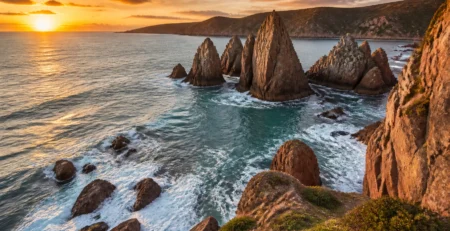
There is a quiet, raw magic that settles over Victoria’s coastline when the temperature drops. While the summer crowds have vanished, the Great Ocean Road transforms into a moody, dramatic masterpiece of mist-shrouded cliffs and crashing turquoise swells. At Great Ocean Road Trip Melbourne, we believe winter is actually the best time to experience the 12 Apostles, but only if you know how to handle the elements.
Traveling during the "off-season" requires a different strategy. From unpredictable southern winds to shorter daylight hours, the stakes are higher. If you’re planning a 12 Apostles tour from Melbourne this winter, we’ve rounded up the seven most common mistakes travelers make: and exactly how we help you fix them for a flawless adventure.
1. Dressing for "Melbourne Weather" (And Not the Southern Ocean)
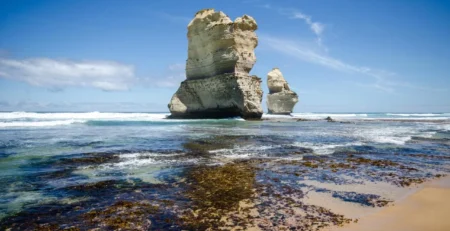
One of the biggest errors we see is guests arriving in a light hoodie or a thin denim jacket. While Melbourne can be chilly, the Great Ocean Road is exposed to the Antarctic winds of the Southern Ocean. The wind chill at clifftop lookouts like the Twelve Apostles or Loch Ard Gorge can make a 12°C (54°F) day feel like zero.
How to fix it:
Think layers, not just one big coat. We recommend a "three-layer system":
- Base: A thermal or moisture-wicking shirt.
- Insulation: A fleece or wool jumper to trap heat.
- Shell: A high-quality waterproof and windproof jacket.
Don’t forget your extremities. A beanie and gloves are non-negotiable for those early morning sunrise shoots at Gibson Steps. Proper footwear is also key; the limestone paths can get slippery when wet, so leave the white sneakers at home and opt for sturdy, closed-toe shoes with good grip.
2. The "One-Day Dash" Delusion
We get it: your itinerary is packed. You want to see the sights and get back for a Yarra Valley wine tour the next morning. However, trying to drive the entire 243-kilometer stretch and back in a single day during winter is exhausting and, frankly, dangerous. With the sun setting around 5:00 PM, you’ll spend half your trip driving in the dark, missing the very scenery you came to see.
How to fix it:
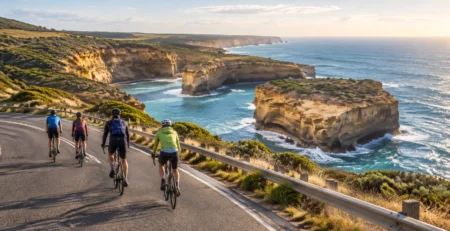
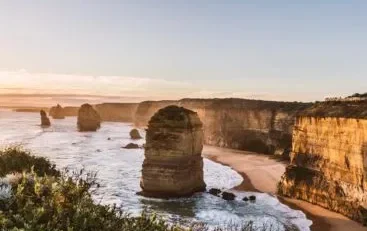
Slow down. Our multi-day tour packages are designed to let you breathe. By staying overnight in coastal towns like Apollo Bay or Port Campbell, you gain the luxury of seeing the Apostles at both sunset and sunrise: the two times when the light is most spectacular. If you are short on time, booking a professional 12 Apostles tour from Melbourne ensures an expert driver handles the logistics, allowing you to rest while we navigate the winding roads.
3. Ignoring the "Wildlife Rush Hour"
Winter brings out some of Australia's most iconic residents, but it also increases the risk of road incidents. Kangaroos, wallabies, and koalas are most active at dawn and dusk. In winter, "dusk" starts as early as 4:30 PM. Many self-drive tourists find themselves white-knuckling the steering wheel on the Otway bends, terrified of a stray 'roo jumping into their path.

How to fix it:
Schedule your driving to end by 4:00 PM. This gives you time to check into your accommodation and find a cozy pub before the wildlife takes over the road. On our tours, we know the "hot spots" for wildlife spotting. We’ll take you to the Kennett River or the Otways during the day, where you can see wild koalas and colorful parrots safely from the ground, rather than through a windshield at night.
4. Thinking the "Best Views" Are Only on the Coast
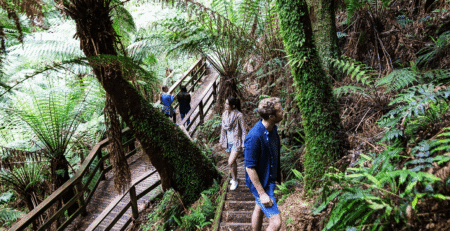
While the limestone stacks are the stars of the show, many winter travelers make the mistake of skipping the inland segments of the Great Otway National Park. They assume the rain will ruin the experience. In reality, the rainforest is at its most vibrant and "Jurassic" during the wet winter months. The ferns are a deeper green, the waterfalls are roaring, and the mist hanging in the ancient eucalyptus trees is breathtaking.

How to fix it:
Lean into the moisture. Visit the Maits Rest rainforest walk or the Otway Fly Treetop Adventures. The canopy provides a natural umbrella, and the smell of the damp earth is something you won't get in the heat of summer. We always include a lush rainforest stop in our comprehensive tour packages because we know the contrast between the rugged coast and the silent forest is what makes this region world-class.
5. Assuming All Cafés are Open 24/7
In the peak of summer, every fish and chip shop and gelato bar is open late. In winter, the pace of the coast slows down significantly. Some smaller townships have "seasonal hours," meaning if you roll into a village at 7:30 PM looking for dinner, you might be met with nothing but closed signs and a very quiet street.
How to fix it:
Plan your meals with "logistical precision."
- Lunch: Aim for larger hubs like Lorne or Apollo Bay.
- Dinner: If you aren't on a guided tour where meals are included, call ahead to book a table at local favorites like the Port Campbell Hotel.
- Snacks: Always keep a "winter survival kit" in your vehicle: water, nuts, and chocolate. Trust us, it’s a long drive between open convenience stores when the rain starts pouring.
6. Relying Solely on Digital Maps
The Great Ocean Road is famously beautiful, but its mobile reception is notoriously "patchy." Between Cape Otway and the 12 Apostles, your GPS might decide to take a winter nap. We’ve seen many travelers take a wrong turn down a muddy logging track because they lost their signal and didn't have a backup.
How to fix it:
Go old school or go "guided." Before you leave Melbourne, download offline maps via Google Maps for the entire coastal region. Better yet, let us handle the navigation. Our expert local guides know every bend and secret lookout by heart, ensuring you spend your time looking at the whales, not your phone's "Searching for Signal" screen.
7. Missing the "Winter Exclusive" Guests: The Whales
Perhaps the biggest mistake is thinking winter is "dead." From June to September, the Southern Ocean becomes a nursery for Southern Right Whales. These giants migrate from Antarctica to calve in the warmer Victorian waters. Many tourists drive right past Warrnambool or Logan’s Beach without realizing they are just meters away from a breaching whale.

How to fix it:
Keep your eyes on the horizon. If you see a crowd of locals with binoculars at a clifftop, stop! At Great Ocean Road Trip Melbourne, we stay updated on daily sightings. If there's a whale in the area, we’ll make sure your itinerary adjusts to give you a chance to witness these spectacular creatures. It's a "locals' favorite" experience that summer visitors completely miss out on.
Why Choose a Guided Winter Adventure?
At Great Ocean Road Trip Melbourne, we specialize in turning these potential "mistakes" into the highlights of your holiday. Our tours are more than just a bus ride; they are an invitation to experience the wild, untamed beauty of Victoria with the comfort of a curated experience.
Whether you are looking for a private charter for your family or a social group tour for young travelers, we provide:
- All-inclusive packages: Accommodation, entry fees, and meals are handled.
- Professional drivers: Safe navigation through winter mist and wildlife zones.
- Insiders' knowledge: Historical anecdotes about the Shipwreck Coast that you won't find on a Wikipedia page.
Don't let the cold keep you away. The Great Ocean Road in winter is a spectacular, unique, and iconic journey that rewards those who come prepared.
Ready to see the 12 Apostles without the crowds? Explore our tour options here and let us show you the best of Victoria, rain or shine.



Leave a Reply
You must be logged in to post a comment.