3 November 2026
Gippsland Lakes and Walhalla: A 3-Day East Gippsland Adventure from Melbourne That Combines a Gold Rush Ghost Town with Australia's Largest Inland Waterway
Plan a three-day Melbourne to Walhalla and Gippsland Lakes adventure, with gold-rush history, koala spotting, boat time and Ninety Mile Beach.
Gippsland Lakes and Walhalla: A 3-Day East Gippsland Adventure from Melbourne That Combines a Gold Rush Ghost Town with Australia's Largest Inland Waterway

Meta description: Plan a three-day Melbourne to Walhalla and Gippsland Lakes adventure, with gold-rush history, koala spotting, boat time and Ninety Mile Beach.
Some Victorian escapes are all about the coast. This one gives you two very different worlds in a single journey: Walhalla, a remote mountain town shaped by the gold rush, and the wide blue reaches of the Gippsland Lakes, Australia’s largest network of inland waterways.
We’ve mapped this as a three-day, multi-city East Gippsland itinerary from Melbourne. Travel from the city into the hills, then east to the lakes and seaside before looping back inland. It’s a rewarding option if you’re searching for a multi city tour Victoria experience and want more than a quick day trip.
The route below is an itinerary idea, not a scheduled tour listing. Driving times are approximate and don’t include scenic stops, traffic or time waiting for the Raymond Island ferry. For a longer Victorian holiday, you could also pair the route with a Great Ocean Road multi-day tour or use it as part of a broader multi-day Victoria itinerary.
Day 1: Melbourne to Walhalla, then on to Lakes Entrance
Leave Melbourne in the morning and head east towards Walhalla. Allow around 2 hours 20 minutes from Melbourne to Walhalla, then give yourself time to explore before continuing to the Gippsland Lakes. The second drive is a longer regional leg; check your chosen route and conditions before setting out.
Walhalla is a former gold-mining town tucked into a narrow forested valley. Its old streets and heritage buildings feel a world away from Melbourne’s busy grid. Follow the creek through town, take in the mountain air and look for traces of the settlement’s gold-rush past. Depending on opening days and availability, you may be able to add a mine visit or a ride on the Walhalla Goldfields Railway. Check directly before you go, as tours and services can vary.
After lunch, continue east to Lakes Entrance. The landscape opens up as the road leaves the hills behind, and the mood shifts from quiet mountain history to salty air and water views. Settle in for the night, then take an easy evening walk near the foreshore or enjoy dinner in town.
Overnight: Lakes Entrance
Today’s highlights: Walhalla’s gold-rush atmosphere, forested hills, lakeside evening
Day 2: Lakes Entrance, Metung, Paynesville and Raymond Island
Start at the waterfront in Lakes Entrance. The town sits beside a spectacular expanse of waterways, where sheltered lakes meet the ocean beyond a long, narrow coastal barrier. The whole Gippsland Lakes system covers more than 400 square kilometres and is popular for boating, fishing, kayaking and wildlife watching. You can explore its scale on the Gippsland Lakes regional tourism page.
Next, follow the shore towards Metung, a relaxed village with a marina-side feel. It’s a good place to pause for a coffee, stretch your legs and enjoy the contrast between the quiet water and open skies. Continue to Paynesville, a boating hub and convenient launch point for Raymond Island.
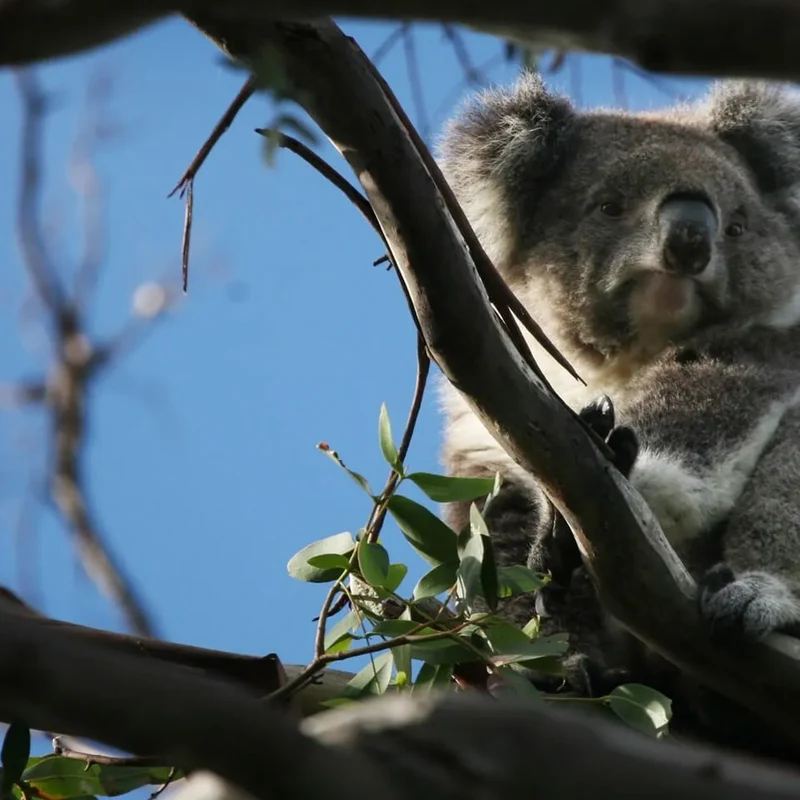
From the Paynesville foreshore, take the short passenger ferry across to Raymond Island. The island’s 1.2-kilometre Koala Trail is an easy walk beneath tall eucalypts. Keep your eyes on the branches: koalas can be surprisingly easy to miss when they’re resting high in the canopy. Look quietly, keep your distance and never touch or feed wildlife. Ferry details and current visitor guidance are available from Parks Victoria.

Back on the mainland, choose your pace for the afternoon. You could book a local boat cruise, hire a kayak or simply linger by the water. Cruises and activities vary by operator and season, so check departure points, duration and availability in advance. If you’d rather keep your feet on the ground, travel back to Lakes Entrance and cross the footbridge over Cunninghame Arm to Ninety Mile Beach.

The beach is made for a long walk and a deep breath of ocean air. Conditions can be rough, so swim only where and when it’s safe, follow signs and patrol advice, and don’t assume the surf is suitable just because the sand looks inviting.
Overnight: Paynesville or Lakes Entrance
Today’s highlights: Lakeside villages, ferry crossing, koala trail, optional cruise or paddle, Ninety Mile Beach
Day 3: A slow morning, the Silt Jetties and the road home
Keep the final morning unhurried. Enjoy breakfast by the water, then take one last walk along the foreshore or look into the calm channels from the shoreline. If you stayed in Paynesville, you’ll already be close to the ferry and lakeside paths; if you stayed in Lakes Entrance, allow time for the drive west.
For a last inland detour, visit the Mitchell River Silt Jetties near Bairnsdale. These naturally formed banks extend around eight kilometres into Lake King, creating an unusual landscape of water, reeds and open sky. Visit Gippsland describes them as the world’s longest silt jetties. Walk or cycle part of the route, watch for birdlife, and bring water and sun protection. Find current visitor information at Visit Gippsland.

From the Silt Jetties area, allow around 3.5 hours’ driving to Melbourne, before adding time for a meal or rest stop. The full day can feel long, so consider breaking up the return journey if you’re tired or travelling with children.
Today’s highlights: A gentle lakeside start, the Mitchell River Silt Jetties, return to Melbourne
When to go and what to pack
Late spring through autumn is a strong choice for combining lakeside time, beach walks and outdoor activities. Summer brings warmer weather and more opportunities for swimming and boating, but it’s also a popular time to travel. Autumn offers comfortable walking weather and a beautiful atmosphere in Walhalla; spring brings fresh greenery and blossoms. Winter can be quieter, but pack for cooler, wetter conditions and check activity schedules before travelling.
Pack for a change of scenery: comfortable walking shoes, layers for cool mountain air, a rain jacket, sun protection, a refillable water bottle and a small day bag. Bring binoculars if you enjoy wildlife watching, and keep a phone charger or power bank handy for maps and photos. Before departure, check road conditions, ferry information, park notices and the operating calendar for Walhalla attractions.
Make it a bigger Victorian journey
This three-day route is a compact way to experience East Gippsland’s character: gold-rush history, lakeside towns, native wildlife and a wild stretch of coast. If you have more time, consider extending your Melbourne stay into a 10 day Melbourne tour or adding the Great Ocean Road for a wider Victoria loop. Our eight-day Great Ocean Road and Victoria package offers another starting point for planning a longer holiday.
At Great Ocean Road Trip Melbourne, we create tour experiences across Victoria, including group journeys and private charters. This East Gippsland route is an itinerary suggestion rather than a listed departure, so contact our team to discuss your travel dates, group size and whether a custom trip may suit your plans.
Planning this trip?
Our Melbourne team runs small-group and private tours along the Great Ocean Road, plus multi-day Victorian itineraries. Ask us about pickup points, dates and what suits your group.