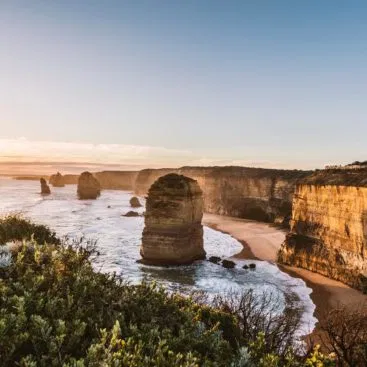
12 Apostles Whale Watching Winter Spectacular: Giants of the Southern Ocean from Melbourne
As the crisp chill of winter settles over Victoria, a dramatic transformation overtakes the rugged southern coastline. The bustling summer crowds fade away, replaced by roaring surf, salt-laden sea mists, and a raw, untamed beauty that calls to the adventurous soul. If you are looking for the ultimate Melbourne winter day trips, nothing compares to setting out on a Great Ocean Road winter tour during August: the absolute peak of the Southern Ocean whale migration.
At Great Ocean Road Trip Melbourne, we invite you to leave the city behind and embark on an unforgettable journey where monumental limestone stacks meet ancient giants of the deep. From explosive whale blows in the mist to the thunderous crash of winter waves against sheer sandstone cliffs, this is coastal exploration at its most electrifying.
Why August is Prime Time for Southern Ocean Giants
Every winter, monumental creatures complete an epic migration from the freezing sub-Antarctic feeding grounds to the sheltered, temperate waters of southern Australia. Among them, southern right whales and agile humpback whales arrive along Victoria's coastline to mate, calve, and nurse their young in protected bays and coves.
August marks the heartbeat of this season. While summer visitors see the coastline bathed in golden sunlight, winter travelers are rewarded with a much rarer spectacle: the misty exhale of a breaching whale echoing off centuries-old cliffs.
- Migration Window: Late May through early October
- Peak Sightings: June to August (August offers peak nursery activity)
- Primary Species: Southern Right Whales (frequently spotted close to shore) and Humpbacks
- Key Experience: Land-based viewing from elevated clifftops and sheltered coves

Setting Off: Your 12 Apostles Tour from Melbourne
Your adventure begins well before sunrise as we depart Melbourne in our comfortable, fully equipped tour vehicle. Escaping the urban lights, we wind through the coastal hinterlands before the highway dramatically hugs the edge of the continent at Torquay, the official gateway to the Great Ocean Road.
Traveling in winter gives you an immense advantage: the moody skies, dramatic cloud breaks, and rolling swells create photography conditions that summer simply cannot replicate. Our expert local guides share insider knowledge of the region's maritime history: tales of intrepid shipwrecks, rugged lighthouse keepers, and the geological forces that carved out the coastline over twenty million years.
As we journey further west, anticipation builds. This isn’t just a sightseeing drive; it is a dedicated 12 Apostles whale watching expedition designed to put you at the right place at the right time.
Clifftop Lookouts & Marine Marvels: Where to Spot Whales Near the 12 Apostles
When you arrive at Port Campbell National Park, the sheer scale of the landscape takes your breath away. The Southern Ocean stretches endlessly toward Antarctica, and the brisk wind carries the unmistakable scent of the sea.
Here is where our 12 Apostles tour from Melbourne truly shines, taking you beyond the standard viewpoints to discover prime land-based whale-spotting locations:
1. The 12 Apostles Viewing Platforms
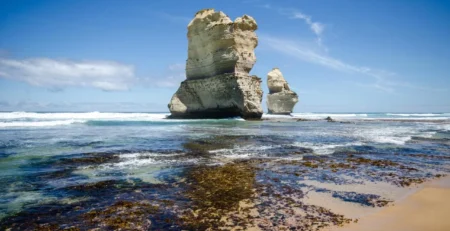
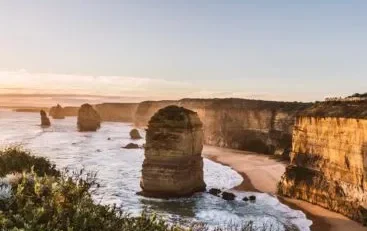
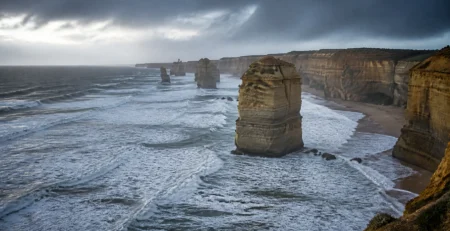
Standing on the elevated timber boardwalks, look beyond the crashing surf breaking against the base of the giant limestone pillars. On a crisp August morning, keep your eyes fixed on the horizon for the telltale "puff of smoke": the vertical spout of a southern right whale blowing. Whales frequently cruise lazily past these offshore stacks or linger in the calmer channels just beyond the breakers.
2. Port Campbell Pier & Sheltered Coves
Just minutes away from the main monument, Port Campbell’s sheltered bay is a known resting spot for migrating mothers and their calves. Locals often recount stories of whales spending days drifting peacefully in these protected waters, offering incredible viewing opportunities right from the shoreline.
3. Logan’s Beach & Warrnambool Nursery (Optional Extension)
For travelers seeking the ultimate close-up nursery experience, a continuation further west brings you to Logan’s Beach in Warrnambool: Victoria's most famous land-based whale-watching nursery. Here, female southern right whales return year after year to calve in the shallow waters, often coming within mere meters of the viewing platforms.
Descending the Chasm: Gibson Steps and Loch Ard Gorge
A true Great Ocean Road winter adventure demands that you experience the coastline from every possible perspective: not just from above, but right down at the water's edge.

Gibson Steps: Face-to-Face with the Giants
Carved directly into the vertical cliff face, the historic Gibson Steps take you down 86 steep stairs to the roaring sand below. Standing on the shoreline with the towering limestone walls looming 70 meters above you, the raw power of the Southern Ocean is palpable. In winter, the waves roar with thunderous resonance, and gazing out over the foam-flecked surf offers an awe-inspiring vantage point for spotting marine life riding the swells.
Loch Ard Gorge: Tales of Shipwrecks and Survival
Just around the corner lies Loch Ard Gorge, named after the tragic 1878 shipwreck of the Loch Ard. Surrounded by sheer yellow-washed cliffs and narrow throat-like rock openings, this tranquil emerald basin offers a sheltered contrast to the raging ocean outside. Walking along the sandy floor or clifftop trails immerses you in the dramatic maritime history that gives this coastline its soul.

Essential Winter Whale Watching Tips: Gear and Tactics
Winter coastal weather in Victoria is notoriously dynamic: you can experience four seasons in a single day, from blinding sunshine to brisk squalls. To make the most of your Great Ocean Road winter tour, preparation is key.
- Pack the Right Optics: Bring a quality pair of binoculars (8×42 is ideal) to stabilize your view and track distant blows against the whitecaps.
- Dress in Layers: The Southern Ocean breeze is famously brisk. Layer up with a windproof and waterproof outer jacket, a warm beanie, gloves, and sturdy grip-soled walking shoes.
- Timing is Everything: Early morning and late afternoon offer the calmest sea surfaces and the best directional light for spotting whale blows and surface splashes.
- Scan for "Footprints": When direct blows aren't visible, look for smooth, circular patches of flat water: known as whale "footprints": which indicate a massive body moving just beneath the surface.
Book Your Winter Coastal Adventure Today
Don't let the winter chill keep you indoors. The Southern Ocean is alive, the crowds are gone, and the ancient giants of the deep are waiting for you along Victoria’s most celebrated shoreline.
Whether you are looking for an action-packed 1-day itinerary or an immersive multi-day expedition, Great Ocean Road Trip Melbourne provides expert local guides, comfortable transport, and unforgettable access to Victoria's natural wonders.
Ready to witness the winter spectacle for yourself? Explore our complete range of Great Ocean Road Tour Packages and secure your spot on our next departure!



Leave a Reply
You must be logged in to post a comment.