12 Apostles Tour from Melbourne: Storm-Washed Cliffs, Shipwreck Coast & a Wild Winter Escape
Meta description: Chase storm-washed cliffs, rainforest scenery, shipwreck history and seasonal whale sightings on a late-winter 12 Apostles tour from Melbourne.
Late winter gives the Great Ocean Road a wilder, more atmospheric personality. The Southern Ocean is restless, the cliffs appear freshly carved by the weather, and low clouds can turn the Shipwreck Coast into a cinematic sweep of slate-blue water and golden limestone.
On a 12 Apostles tour from Melbourne, you can travel from the city to one of Australia’s most famous coastal landmarks in a single day: or slow the journey down with an overnight escape through Apollo Bay, Port Campbell and Warrnambool. Add rainforest walks, dramatic lookouts and a chance of seasonal whale sightings, and you have a uniquely Victorian winter adventure.
Why late winter is a spectacular time to visit
The 12 Apostles are beautiful in every season, but winter brings extra drama to the coastline.
From late August into September, expect:
- Fewer crowds at early-morning and late-afternoon lookouts
- Powerful Southern Ocean swells below the cliffs
- Moody skies, rainbows, mist and changing coastal light
- Lush rainforest in the Great Otways
- Seasonal opportunities for whale watching Great Ocean Road style
- Crisp air that makes every lookout feel refreshingly wild
A winter day can begin with sunshine in Melbourne and finish beneath a squall near Port Campbell. That changeable weather is part of the experience, so we recommend embracing the elements rather than waiting for perfect blue skies. Storm-washed cliffs and dark ocean can create some of the most memorable photographs of the entire journey.
The scenic drive to the 12 Apostles is approximately 275 kilometres from Melbourne. Allow around 4.5 hours of driving without sightseeing stops, which is why a full-day tour usually takes approximately 11–12 hours.
Dawn departure: Melbourne to the Surf Coast
Your adventure begins early, while Melbourne is still waking up. An early start gives you more daylight, helps avoid the busiest visitor periods and allows time for the scenic stops that make the Great Ocean Road more than a simple transfer to the 12 Apostles.
As we leave the city behind, the landscape gradually opens into the Surf Coast. Torquay is famous for its surf culture and marks the eastern gateway to the route. Further west, the road passes coastal villages, white-sand beaches and forested hillsides.
Keep an eye out for the historic Memorial Arch, which recognises the returned servicemen who built the Great Ocean Road after the First World War. The road was constructed as a memorial and employment project, and it remains one of the world’s most remarkable coastal drives.
For backpackers and young travellers, this first section is a chance to settle into the journey with music, conversation and plenty of photo stops. Families appreciate the changing scenery and short walks, while private groups can often tailor the pace around photography, food or longer coastal pauses.
Through the Great Otways: rainforest, wildlife and fresh air
After the surf beaches, the road turns inland through the Great Otway National Park. This is where the landscape changes dramatically. Towering eucalyptus trees, fern-filled gullies, mossy trunks and small waterfalls create a cool, green world just minutes from the coast.
The rainforest is especially vibrant in winter. Recent rain deepens the colour of the foliage, fills streams and gives the forest a rich earthy scent. On a clear morning, shafts of sunlight can cut through the canopy; on a wet day, mist adds another layer of atmosphere.
Depending on your itinerary, you may have time for a short rainforest walk or waterfall stop. Wear shoes with good grip, as boardwalks, steps and forest paths can become slippery after rain.

Wildlife is another reason to slow down. The surrounding forests and hinterland provide habitat for koalas, kangaroos and colourful native birds. Sightings are never guaranteed, but travelling with a local guide can help you understand where to look and how to observe animals without disturbing them.
The Shipwreck Coast: where the ocean meets limestone
As the road emerges from the Otways, the scenery becomes larger and more rugged. The famous Shipwreck Coast stretches along a section of coastline shaped by wind, waves and relentless erosion.
This region has more than 200 recorded shipwrecks, earning its haunting name. Bass Strait and the Southern Ocean were important shipping routes for vessels carrying migrants, supplies and cargo to Victoria. Hidden reefs, strong currents, fog and violent weather made the coastline notoriously dangerous.
The story of the Loch Ard is among the best known. In 1878, the ship was wrecked near Muttonbird Island. Only two young survivors, Eva Carmichael and Tom Pearce, reached shore. Today, Loch Ard Gorge offers a powerful combination of dramatic cliffs, offshore formations and shipwreck history.

Take time to explore the lookouts and short walking trails around the gorge. You may see formations such as the Razorback, Island Arch and Thunder Cave, each shaped by the same natural forces that continue to change the coastline.
Gibson Steps and the 12 Apostles
Near the main attraction, Gibson Steps provides a different perspective on the coast. Rather than viewing the limestone formations from the clifftop, the steps lead towards sea level, where the scale of the cliffs becomes almost overwhelming.
The beach access is dependent on tides, waves and safety conditions. Never descend if the access is closed, and do not walk near the waterline in rough weather. The Southern Ocean can change quickly.

Then comes the moment everyone has been waiting for: the 12 Apostles lookout.
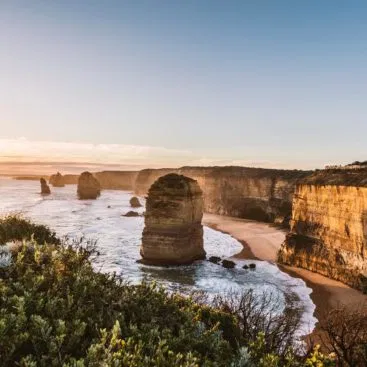
The limestone stacks rise from the ocean like enormous sculptures, standing approximately 45 metres above the water. Despite the name, only seven of the original formations remain visible today. Erosion continues to shape the coast, which means the landmark is always part of a changing natural story.
Walk along the sealed paths and viewing platforms, listen to the surf below and watch how the light moves across the stacks. In winter, the scene can shift from silver-grey to brilliant blue within minutes.
The main viewing area is accessible year-round from dawn to dusk, with sealed paths and accessible viewing areas. Allow at least 45 minutes for a straightforward visit, or longer if you want to explore the surrounding lookouts at a relaxed pace.
12 Apostles whale watching: what late-winter travellers should know
From approximately May to September, whales migrate from Antarctic waters along the southern coast of Australia. Southern right whales are often associated with the broader Shipwreck Coast, while humpback, blue whales and occasional orca sightings may also occur in the region.
This makes late winter an exciting time for 12 Apostles whale watching, particularly if you extend your journey west towards Warrnambool and Logans Beach or include Port Fairy and Cape Otway in a longer itinerary.
However, whale sightings are seasonal and never guaranteed. The 12 Apostles viewing platforms are not a dedicated whale-watching site, and even at recognised coastal viewing locations, whales may remain offshore or pass when visibility is poor.
For the best chance:
- Carry binoculars if you have them
- Look for blows, dark backs and tail flukes
- Spend time scanning calm sections of the horizon
- Ask local visitor information staff about recent sightings
- Dress warmly and allow flexibility in your schedule
For more regional information, see the official Great Ocean Road whale-watching guide.
Great Ocean Road winter tour: what to pack
Winter conditions are manageable when you prepare properly. Pack:
- A warm base layer and fleece
- A windproof and waterproof outer jacket
- Comfortable walking shoes with good grip
- A beanie, scarf and gloves
- Water and snacks
- Sunscreen and sunglasses
- A camera or phone with spare battery power
- Binoculars for wildlife and possible whale sightings
Strong winds can make exposed lookouts feel much colder than Melbourne, even on a sunny day. Keep valuables secure, especially near cliff edges, and follow all signs, barriers and guide instructions.
Most importantly, stay on designated paths. Do not climb barriers, approach unstable cliff edges or stand beneath overhanging rock. Avoid swimming at exposed beaches around the Apostles, and always check tide and ocean conditions before attempting beach access.
Choose your ideal 12 Apostles adventure
A one-day trip is perfect if you are short on time and want to experience the iconic highlights. Visit our 1-day tour options to explore available itineraries.
For a more relaxed late-winter escape, our 2-day Great Ocean Road package tours allow more time for the Otways, Shipwreck Coast, Port Campbell and changing weather conditions. An overnight stay also makes it easier to see the 12 Apostles at first light, when the lookouts are often at their quietest.
Travellers with more time can consider a 6-day package tour combining coastal scenery, walking, wildlife and regional Victoria. For families, business groups and friends travelling together, a private or group charter offers a more personalised way to explore.
Depending on the package you choose, we can help arrange accommodation, meals, entry fees, transfers and additional experiences. Contact Great Ocean Road Trip Melbourne and let us help shape your ideal winter journey.
Ready to meet the wild Shipwreck Coast?
A late-winter 12 Apostles tour from Melbourne is more than a checklist attraction. It is the changing rhythm of the coast: rainforest dripping after rain, wind moving across the cliffs, waves breaking around ancient limestone and the possibility of a whale surfacing beyond the horizon.
Bring warm layers, leave room in your schedule and come prepared for adventure. We will take care of the route, the local knowledge and the practical details( so you can focus on the spectacular scenery ahead.)


Leave a Reply
You must be logged in to post a comment.