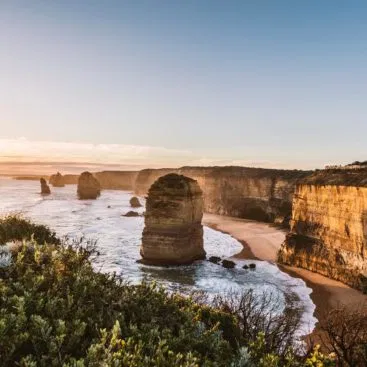
12 Apostles Tour from Melbourne: Whale Watching Season, Wild Winter Swells & the Epic Shipwreck Coast
A 12 Apostles tour from Melbourne in late winter is an adventure into Victoria at its most spectacular. From June to October, Southern Right Whales migrate along the Shipwreck Coast, while enormous Southern Ocean swells crash against ancient limestone cliffs. Add quiet lookouts, crisp coastal air and moody winter light, and you have one of the most unforgettable Melbourne winter day trips.
At Great Ocean Road Trip Melbourne, we invite you to experience the coast beyond the usual postcard. We combine iconic scenery, wildlife encounters and local insight into a carefully planned journey from Melbourne to the famous 12 Apostles.
Why Winter Is the Best Time for a 12 Apostles Tour
Summer may bring warm afternoons and busy beaches, but winter reveals the raw personality of the Great Ocean Road.
The coastline becomes a dramatic theatre of:
- Wild ocean swells
- Crisp, clear air
- Moody clouds and brilliant light
- Fewer visitors at major lookouts
- Southern Right Whale sightings
- Waterfalls and greener rainforest
- Exceptional sunrise and sunset photography
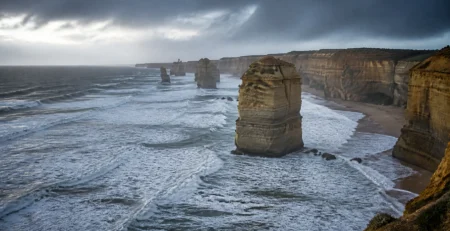
A Great Ocean Road winter tour is not about waiting for perfect beach weather. It is about standing safely above the cliffs as waves explode against the rock towers, feeling the salt wind on your face and watching the Southern Ocean reshape the landscape in real time.
The Great Ocean Road itself was built by returned servicemen after the First World War and is recognised as a memorial to those who served. As we travel west, every curve reveals another chapter of Victoria’s coastal story: from surf culture at Torquay to the shipwreck legends of Port Campbell.
Your Winter Journey Begins in Melbourne
We depart from Melbourne and travel towards the coast, leaving the city behind as suburbs give way to open farmland, eucalyptus forest and the ocean horizon.
Because the Great Ocean Road is a long and rewarding route, our expert guides take care of the driving, timing and navigation. You can relax, take photographs and listen to local stories instead of concentrating on unfamiliar roads.
Our touring options include:
- One-day Great Ocean Road and 12 Apostles experiences
- Private charters for families, couples and groups
- Multi-day itineraries with accommodation
- Flexible touring across Victoria’s most iconic regions
Explore our 1-day tour options or contact our team through Great Ocean Road Trip Melbourne to design a more personalised journey.
Bells Beach: Where the Coast Starts to Roar
Our first coastal highlight is often Bells Beach, one of Australia’s most famous surf beaches and a legendary stop along the route to the Great Ocean Road.
In winter, Bells Beach feels powerful and untamed. Watch surfers position themselves beneath towering waves, listen to the wind sweeping across the cliffs and look for seabirds riding the updrafts. The beach is also home to the famous Rip Curl Pro surfing competition, one of the world’s longest-running professional surf events.
This is your first glimpse of the coastline’s energy: but the Southern Ocean becomes even more dramatic as we continue west.
Kennett River: Koalas, Forest and Native Wildlife
Leaving the exposed surf coast, we wind through the lush landscapes around Kennett River. The vegetation changes quickly, with tall eucalypts creating a cool green canopy above the road.
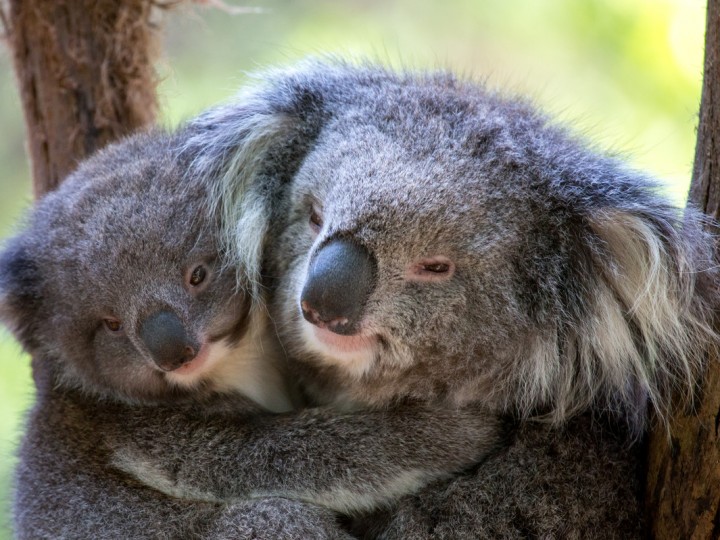
Keep your eyes raised into the branches. Kennett River is famous for its koalas, and you may also spot colourful parrots, honeyeaters and other native wildlife. Our guides know where to pause and what to look for, helping you notice the small details that are easy to miss when travelling independently.
The contrast is one of the great pleasures of the journey: one moment you are beside roaring surf, and the next you are surrounded by damp forest, mossy trunks and the scent of eucalyptus.
Winter Whale Watching on the Great Ocean Road
From June through October, the Shipwreck Coast becomes an important seasonal passage for migrating whales. Southern Right Whales are the headline species, while humpback whales may also be seen passing through.
This is the heart of 12 Apostles whale watching: a shore-based wildlife experience where patience, timing and a little luck can create an extraordinary moment.
Southern Right Whales often travel close to the coast and may be seen near Port Campbell, sheltered bays and other viewpoints along the wider Shipwreck Coast. Females may remain in calmer waters while nursing calves, making winter and early spring especially exciting for wildlife lovers.
For more seasonal information, read the regional guide to Southern Right Whales around the 12 Apostles Coast.
Our whale-spotting tips
- Scan slowly across the water rather than looking for constant movement.
- Watch for a blow, a dark back or a tail fluke.
- Look for groups of seabirds, which can sometimes indicate activity below the surface.
- Bring binoculars if you have them.
- Give every sighting time: whales may surface only briefly.
- Never assume a sighting is guaranteed; wildlife always moves on its own schedule.
A Southern Right Whale can grow to more than 18 metres long. Seeing one surface against the cliffs puts the scale of the Shipwreck Coast into perspective: enormous animals moving through an ancient, constantly changing landscape.

Loch Ard Gorge: Shipwreck Stories and Thunderous Water
As we reach the Shipwreck Coast, the landscape becomes more dramatic. Sheer limestone cliffs, narrow gorges and sea caves show the force of thousands of years of wind and water.
At Loch Ard Gorge, we explore one of the most famous stories in Australian maritime history. In 1878, the ship Loch Ard ran aground near Muttonbird Island after a voyage from England. Only two teenagers, Tom Pearce and Eva Carmichael, survived the wreck.
Today, the gorge is beautiful, but its calm appearance can be deceptive. Winter swells surge into the narrow channels and echo between the cliffs. Watch from designated paths and platforms, keeping a safe distance from cliff edges and the ocean.
The nearby Razorback and other limestone formations reveal the same relentless process of erosion. Some stacks stand tall today, while others have collapsed into the sea. The coastline is not a finished monument: it is still evolving.

Gibson Steps: Meet the Limestone Giants
Depending on tides, weather and safety conditions, Gibson Steps offers one of the most memorable perspectives on the coast.
The steps lead down towards the beach, where towering limestone formations rise from the Southern Ocean. At the base, the scale is humbling. Look up and the cliffs seem to continue endlessly; look out to sea and the stacks appear isolated in a vast field of moving water.
The winter experience is especially atmospheric. Spray hangs in the air, dark clouds build over the horizon and the waves roll in with extraordinary force. We always follow local conditions and safety guidance, as beaches and cliff areas can change quickly during heavy swell.
The 12 Apostles Boardwalk at Sunrise or Sunset
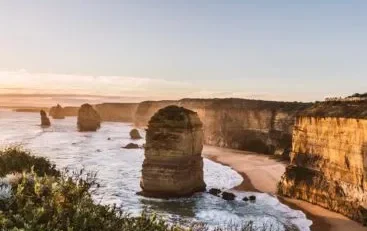
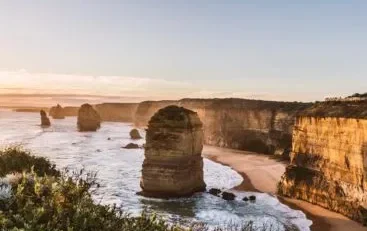
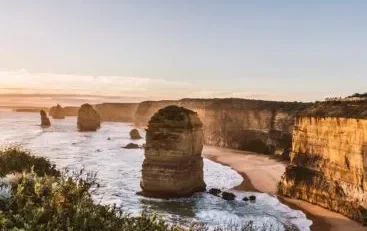
At last, we arrive at the iconic 12 Apostles boardwalk. The limestone stacks stand offshore like ancient guardians, separated from the mainland by centuries of erosion.
Despite their name, the number of visible formations has changed over time. The stacks are natural structures, not permanent monuments, and the Southern Ocean continues to shape them.
The best light often arrives around sunrise or sunset, when the low winter sun warms the limestone and turns the ocean silver, blue and gold. In the cooler months, these times are also more comfortable from a photography perspective, with softer shadows and richer skies.
If you are joining a one-day tour, our guides coordinate the route around seasonal daylight and road conditions. Travellers seeking a slower pace can choose a multi-day Great Ocean Road package or a private and group charter for more flexibility.

What to Wear on a Great Ocean Road Winter Tour
The coast can feel much colder than Melbourne, particularly when the wind comes off the Southern Ocean. Dress for movement and changing conditions.
We recommend:
- A warm base layer
- A fleece or wool mid-layer
- A waterproof, wind-resistant jacket
- Long pants
- A beanie and gloves
- Comfortable walking shoes with good grip
- Sunglasses and sunscreen
- A small water bottle
- Binoculars and a camera
Layering is the key. You can warm up in the vehicle, then add protection before stepping out at exposed lookouts.
Make This Your Epic Winter Adventure
A whale watching Great Ocean Road experience is about much more than ticking off the 12 Apostles. It is the journey through changing landscapes, the sudden appearance of a koala in the trees, the story behind a shipwreck and the possibility of seeing a whale surface beyond the cliffs.
Winter gives the route a special intensity. The crowds are lighter, the skies are dramatic and the coastline feels closer to its natural character. Whether you are a young traveller, a family, an international student or a private group looking for a curated escape, we make the journey comfortable, informative and genuinely memorable.
Ready to see the limestone stacks, wild swells and migrating whales for yourself? Browse our Great Ocean Road tour packages and book your 12 Apostles tour from Melbourne today.
Pack your layers, charge your camera and join us on the Shipwreck Coast before winter disappears.


Leave a Reply
You must be logged in to post a comment.