12 Apostles Tour from Melbourne in Spring: Whales, Wildflowers & Golden Hour Magic on the Great Ocean Road
Spring has arrived in Victoria, and the Great Ocean Road is waking up.
In this first week of September, the mornings are still crisp, the heathlands are beginning to glow with wildflowers, and southern right whales may still be visible along the coast near Warrnambool. At the same time, the busiest summer crowds have eased, creating a spectacular opportunity to experience the coast at a more relaxed pace.
Our 12 Apostles tour from Melbourne is more than a scenic drive. It is a full-day adventure through surf beaches, rainforest, coastal cliffs, wildlife habitats and the dramatic Shipwreck Coast: finishing beneath the warm colours of golden hour.
Early morning: leave Melbourne for the coast
We recommend an early departure from Melbourne. The first stretch of the journey gives you time to settle into the day while our local guides share stories about the landscapes ahead.
A spring morning departure has its own magic. You leave the city beneath cool blue skies and gradually trade Melbourne’s streets for open farmland, rolling hills and the salty air of the coast. By the time we reach the Great Ocean Road, the light is beginning to brighten the water and illuminate the forested hills.
Spring tour highlights:
- Cooler, comfortable walking conditions
- Fewer crowds than during the summer peak
- Fresh green rainforest and flowering coastal heath
- Excellent opportunities for wildlife spotting
- Longer, brighter days for photography
The Great Ocean Road itself was constructed by returned First World War servicemen between 1919 and 1932. It is widely regarded as the world’s largest war memorial, created not only as a remarkable engineering project but also as a tribute to those who served.
Mid-morning: Torquay, Bells Beach and the coastal drive
Our route follows the coast from Torquay towards Lorne, where the road twists between dramatic headlands, eucalyptus forest and famous surf beaches.
At Bells Beach, we pause to admire one of Australia’s most famous surfing locations. Even if you are not here to surf, the view is unforgettable: powerful Southern Ocean swells, rugged cliffs and wind-shaped vegetation stretching towards the horizon.
As we continue towards Lorne, watch for native wildlife in the trees and along the roadside. Koalas, kookaburras, parrots and eastern grey kangaroos all live in the region. Spring is especially rewarding for nature lovers because the landscape feels refreshed after winter rain.
We may also stop at the Memorial Arch, one of the most recognisable landmarks on the route. It marks the entrance to the original coastal road and offers an ideal introduction to the history and scale of the journey.
Explore our 1 Day Great Ocean Road and 12 Apostles tour

Late morning: rainforest, wildflowers and the Otways
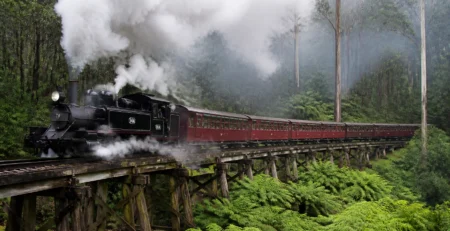
After the seaside towns, the landscape changes dramatically. We turn inland through the Great Otway National Park, where tall mountain ash, tree ferns and moss-covered gullies create a cool, green world just beyond the coast.
Spring is an excellent time to explore the heathlands and forest edges. Look closely along walking tracks for bursts of native colour, including flowering heath, golden wattles and delicate groundcover plants. The exact display varies with rainfall and location, but the best wildflower moments often appear beside open heathland, coastal scrub and sunny forest clearings.
Our guides choose suitable short walks according to the day’s conditions. You might hear water moving through a fern-lined gully, spot a crimson rosella in the canopy or pause beneath trees that seem to rise endlessly above you.
This is one reason we love a spring Melbourne winter day trip alternative: you still enjoy the moody atmosphere and crisp air associated with a Great Ocean Road winter tour, but with brighter afternoons, fresh vegetation and the first signs of spring colour.
What to bring for the walks:
- Comfortable, enclosed shoes
- A light waterproof layer
- Water and sun protection
- Binoculars for birds and distant wildlife
- A camera or phone with plenty of battery
Early afternoon: Apollo Bay and the Shipwreck Coast
We continue through Apollo Bay, a relaxed coastal town framed by green hills and the Southern Ocean. It is a natural place to pause, enjoy lunch and take in the changing scenery before we reach the limestone cliffs farther west.
From here, the coast becomes wilder. The road heads towards Port Campbell National Park and the famous Shipwreck Coast, where wind and waves have carved the cliffs into arches, caves, gorges and towering sea stacks.
At Gibson Steps, conditions permitting, you can descend towards the beach and look up at the immense limestone walls from sea level. The scale is difficult to appreciate from photographs: the cliffs feel almost architectural, while the Southern Ocean surges around the rocks below.
We also visit Loch Ard Gorge, named after the Loch Ard, a clipper ship that ran aground in 1878. Only two young survivors, Tom Pearce and Eva Carmichael, escaped the wreck. The gorge’s calm turquoise water and sheltered beach contrast sharply with the dangerous coastline beyond, making the history particularly powerful when heard beside the cliffs themselves.

Afternoon: 12 Apostles history and the power of erosion
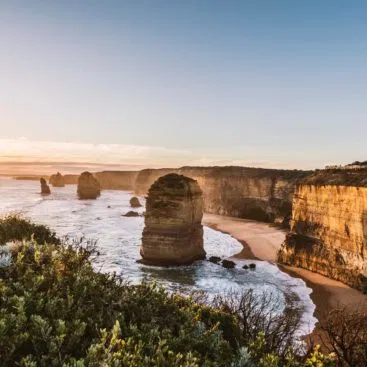
At last, we arrive at the Twelve Apostles.
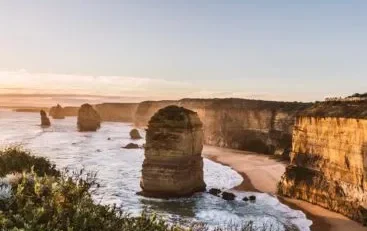
These famous limestone stacks were formed through a long process of erosion. Waves first carved caves into the mainland cliffs. Over time, the caves became arches, the arches collapsed and isolated pillars remained offshore. The same forces continue to shape the coast today.
The formations were once known as the Sow and Piglets, referring to the large island: the “Sow”: and the smaller stacks nearby. The name “Twelve Apostles” was adopted later to make the landmark more appealing to visitors, even though the number of visible stacks has never consistently been twelve.
There were once approximately twelve major stacks in the broader formation. Today, eight remain clearly visible from the main viewing area, as wind and waves continue their patient work. In 2005, one of the best-known stacks collapsed suddenly into the Southern Ocean, a dramatic reminder that this landscape is alive and constantly changing.
From the boardwalk, you can photograph the stacks from several viewpoints. Look for the details that make every visit different:
- Sea mist catching the sunlight
- White water curling around the bases
- Orange and gold layers in the limestone
- Seabirds riding the wind
- Shadows moving across the cliffs
For more background before your trip, the official Australia guide to the 12 Apostles is a useful planning resource.
Spring bonus: 12 Apostles whale watching near Warrnambool
September is also the tail end of the southern right whale season along Victoria’s western coast. From approximately June to October, whales may gather near Warrnambool’s Logans Beach, where mothers and calves can sometimes be observed from the shore.
This is not the same as seeing whales directly beside the Twelve Apostles. Warrnambool is farther west, beyond the usual turnaround point for a standard one-day Melbourne itinerary. If whale watching Great Ocean Road is your priority, we recommend allowing extra time with a private or multi-day itinerary.
Bring binoculars and scan patiently:
- Look for a dark back breaking the surface
- Watch for the distinctive plume of a blow
- Check for repeated movement in one area
- Be prepared to wait: wildlife sightings are never guaranteed
For the best chance of combining the 12 Apostles with 12 Apostles whale watching, consider adding an overnight stay near Port Campbell or Warrnambool. If you plan to join a licensed whale-watching boat tour, book ahead, as September is the final part of the season and departures can be limited.
You can also explore local planning information through Visit Great Ocean Road’s Warrnambool guide.

Golden hour: watch the coast turn to gold
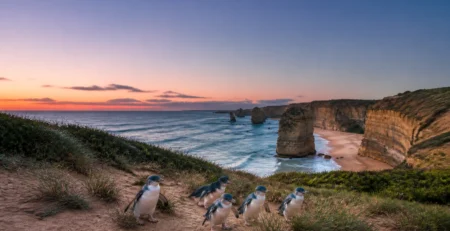
We finish the day at the Twelve Apostles or another carefully selected coastal lookout, timed for the changing afternoon light.
As the sun lowers, the limestone warms from pale cream to honey, amber and deep gold. The shadows lengthen across the cliffs, the ocean turns blue-grey and the stacks stand out against the horizon like ancient guardians.
This is the moment to slow down. Take your final photographs, breathe in the salt air and watch the Southern Ocean move around a coastline that has been shaped over millions of years.
Golden-hour tip: sunset times change quickly through September. We plan the afternoon around the light rather than rushing from one attraction to another, but exact timing depends on weather, road conditions and the day’s itinerary.

Plan your spring Great Ocean Road adventure
For a comfortable and memorable day, dress for changing conditions. Spring can bring a cool start, warm sunshine in the afternoon and sudden coastal wind within minutes.
Our essential spring packing list:
- Wear layers that you can remove during the afternoon
- Pack a warm fleece or jacket for lookouts
- Bring binoculars for whale and bird spotting
- Carry sunscreen, sunglasses and a hat
- Wear practical shoes for short walks
- Reserve any whale-watching boat experience in advance
- Keep your schedule flexible for wildlife and weather
Whether you want a classic one-day escape, a private charter or a longer coastal journey with Warrnambool and the Otways included, we can help shape the experience around you. Our packages range from day trips to multi-day adventures, with expert local guides, accommodation, meals and selected entry fees available depending on your itinerary.
Spring will not last forever. Book your 12 Apostles tour from Melbourne now and experience the Great Ocean Road at its most vibrant: whales offshore, wildflowers along the heathland, crisp mornings beneath wide skies and golden light falling across one of Australia’s most iconic coastlines.
Plan your Great Ocean Road tour with Great Ocean Road Trip Melbourne


Leave a Reply
You must be logged in to post a comment.