12 Apostles Tour from Melbourne: Spring Whales, Wild Coast & the Lookouts You Can’t Miss
Meta description: Chase spring whales, wildflowers and spectacular coastal views on a 12 Apostles tour from Melbourne, including Gibson Steps, Loch Ard Gorge and optional helicopter flights.
There is no better way to welcome spring in Victoria than by heading west from Melbourne towards the wild Southern Ocean. On a 12 Apostles tour from Melbourne, you can trade city streets for surf beaches, fern-filled rainforest, towering limestone cliffs and one of Australia’s most famous coastal landmarks.
September is especially exciting. The days begin to warm, spring wildflowers brighten the heathlands, and 12 Apostles whale watching is still possible during the annual migration season. From Southern Right Whales sheltering near Port Campbell to humpbacks passing along the coast, you never know what might appear beyond the next lookout.
We have planned this guide to take you through the journey from start to finish: along with the viewpoints, timing tips and practical details that can make your adventure even more memorable.
Why September Is the Secret Season for the Great Ocean Road
Spring on the Great Ocean Road brings a refreshing balance of comfortable temperatures, dramatic coastal weather and fewer visitors than the busy summer months. You may experience brilliant sunshine in the morning, salty sea spray by lunch and moody clouds rolling across the Shipwreck Coast in the afternoon.
That changing weather is part of the magic.
September also sits within the main whale migration period. Southern Right Whales are commonly sighted between June and October, while humpback whales also pass along Victoria’s southern coastline during winter and spring. Sightings are never guaranteed, but this is one of the best times of year to scan the water from coastal lookouts.
Spring highlights include:
- Whale migration: Southern Right Whales and passing humpbacks
- Wildflowers: Particularly impressive from early September through October
- Cooler walking conditions: Ideal for exploring lookouts and short trails
- Lower crowds: A more relaxed experience outside the summer peak
- Wild coastal scenery: Strong swells, sea mist and spectacular light
If you are comparing seasons, a Great Ocean Road winter tour offers colder weather, larger swells and excellent whale-watching potential. A September journey gives you many of those wild coastal experiences, with the added colour of spring.
Before Sunrise: Leaving Melbourne for the Coast
Most full-day tours begin early, giving you plenty of time to travel from Melbourne, explore the coast and return comfortably. The Great Ocean Road is around 2 hours and 45 minutes from Melbourne to the Twelve Apostles Marine National Park by road, before allowing time for scenic stops along the way.
As we leave the city behind, the landscape changes quickly. Suburban streets give way to open farmland, coastal towns and eucalyptus forest. Keep your camera ready: Australian wildlife is often more active around dawn and dusk, and you may spot kangaroos, colourful parrots or koalas in the Otways.
For a more relaxed trip, consider a multi-day package. Staying overnight near Apollo Bay, Port Campbell or Warrnambool gives you extra time for sunrise, sunset and whale watching without rushing along the return journey.
Explore our 1-day Great Ocean Road package tour or browse our wider range of Victoria travel experiences to find the right pace for your itinerary.
Stop One: Spring Wildflowers and the Great Otway Forest
The drive towards the 12 Apostles is an adventure in itself. Between Torquay and Apollo Bay, the road winds past surf beaches and forested hills before entering the lush Great Otway region.
In September, look for splashes of colour along coastal heathlands and forest edges. Anglesea Heath is particularly well known for spring wildflowers, with peak displays generally beginning in early September and continuing into October. Orchids, heath, wattles and other native plants can transform the roadside landscape into a vivid patchwork of yellow, pink, white and purple.
The Otways also offer a dramatic contrast to the exposed coastline. Here, tall eucalyptus trees, mossy gullies and fern-lined rainforest create a cool, green atmosphere. After the wind and salt of the coast, stepping into the forest feels like entering another world.
Our insider tip: wear comfortable shoes and bring a light waterproof layer. Spring weather can change quickly, and a short rainforest walk is far more enjoyable when you are prepared for damp tracks or a sudden shower.
Stop Two: Port Campbell and the First Whale Watch
As the road reaches the Shipwreck Coast, the scenery becomes more rugged. Towering cliffs plunge towards the ocean, sea stacks rise from the surf and waves thunder into hidden caves and gorges.
Port Campbell is one of the best places to pause for 12 Apostles whale watching. Southern Right Whales often rest in sheltered bays and coves, and the Port Campbell Pier provides a useful shore-based vantage point during migration season.
Bring binoculars if you have them. You can also ask locally about viewing equipment: information from the regional visitor centre notes that binoculars may be available to hire. Look for:
- A tall plume of spray, known as a whale spout
- A dark back breaking the surface
- A tail fluke disappearing beneath the waves
- Repeated splashes in the same area
- Calves travelling close to their mothers
The best time of day for whales is difficult to predict. Unlike a scheduled wildlife show, migration activity depends on conditions, visibility and the animals themselves. We recommend taking every opportunity to look out to sea rather than waiting for one “perfect” time.

Stop Three: The 12 Apostles Lookouts You Cannot Miss
Then comes the moment every traveller is waiting for: the first view of the 12 Apostles.
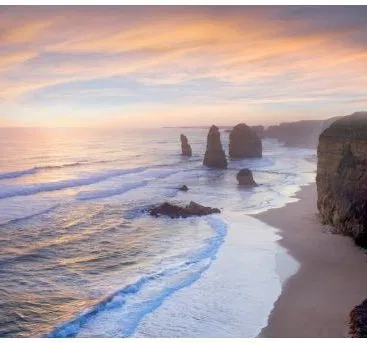
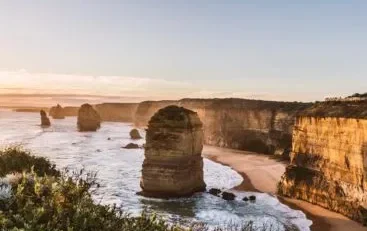
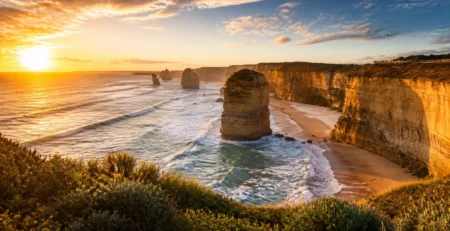
From the main viewing area, a boardwalk leads towards several elevated viewpoints overlooking the limestone stacks. Wind pushes across the cliffs, gulls circle overhead and the Southern Ocean stretches towards the horizon. The formations themselves are constantly being reshaped by the sea, with caves and arches slowly eroding into isolated pillars.
Despite the name, there were never necessarily twelve visible stacks at one time: and today, fewer remain standing. The landmark was once known as the Sow and Piglets before its name was changed to the more dramatic Twelve Apostles in the 1920s to attract visitors.
For the best experience:
- Sunrise: The softest light and quietest atmosphere, best enjoyed with an overnight stay
- Late morning: A good choice on a reverse itinerary, often with fewer crowds
- Mid-afternoon: Common on standard tours, with bright coastal colour and convenient flight availability
- Sunset: Spectacular golden light, but usually requires staying overnight or self-driving
Allow time to walk the Twelve Apostles Overlook Trail, a short route offering different angles of the stacks and coastline. Stay behind safety barriers and well away from cliff edges: the Southern Ocean is powerful, and conditions can change rapidly.
See the Coast from Above: The Helicopter Option
From ground level, the 12 Apostles are impressive. From the air, the entire coastline becomes a sweeping natural masterpiece.
A scenic helicopter flight reveals the formations, beaches, cliffs and ocean arches in one unforgettable panorama. You can see how the coastline has been carved over thousands of years, with turquoise water curling around golden beaches and isolated rock towers.
Our Twelve Apostles Scenic Helicopter Flight is listed as an approximately four-hour experience from Essendon Fields, including a scenic flight to the Great Ocean Road and the 12 Apostles before returning to Melbourne. Flight availability is subject to weather and operator confirmation, so check the details when booking.
If you are already travelling by road, helicopter flights may also operate from the heliport near the Twelve Apostles Visitor Centre. Availability and booking arrangements can vary, so ask your guide or confirm locally on the day.

Stop Four: Gibson Steps and the Beach-Level View
A short drive from the main Apostles lookout brings you to Gibson Steps, where 86 steps descend the cliff face towards the beach.
Standing at sea level changes the entire perspective. Above you, the limestone cliffs rise dramatically; offshore, the formations appear larger, closer and more imposing. At low tide, you may see Gog and Magog from the sand, while waves break along the shoreline and seabirds rest on the rocks.
Gibson Steps are a highlight for photographers and adventurous travellers, but access depends on tide, swell and weather conditions. Your guide may decide that the beach is unsafe on the day.
Remember:
- Check tide and access conditions before descending
- Wear shoes with good grip
- Never turn your back on the ocean
- Stay clear of cliff bases and unstable rock
- Follow all local signs and guide instructions

Stop Five: Loch Ard Gorge and the Stories of the Shipwreck Coast
Continue west to Loch Ard Gorge, one of the most atmospheric stops near the 12 Apostles. The gorge is named after the Loch Ard, a passenger ship that wrecked nearby in 1878. Only two young survivors, Tom Pearce and Eva Carmichael, escaped the disaster, making this one of the most famous shipwreck stories in Australian maritime history.
Today, dramatic cliffs frame the gorge, while walking trails lead to viewpoints overlooking the beach, offshore islands and rocky formations. The Razorback, Island Archway and nearby coastal lookouts show the continuing power of wind and water.
Access conditions can change because of geological instability and coastal erosion. At the time of writing, some beach steps at Loch Ard Gorge may be closed, so check the latest Parks Victoria information before your visit. Clifftop viewing remains spectacular, even when beach access is unavailable.

What to Pack for a September 12 Apostles Tour
Spring can be bright, breezy and unpredictable. Pack for the conditions rather than relying on the forecast from Melbourne alone.
Bring:
- Warm layers and a windproof jacket
- Comfortable walking shoes with good grip
- Sunscreen, sunglasses and a hat
- Water and snacks
- A camera or smartphone with spare battery
- Binoculars for whale watching
- Motion-sickness medication if winding roads affect you
Most importantly, allow your day to unfold. The best moments may be unexpected: a whale spout offshore, sunlight breaking through coastal cloud or a wallaby appearing beside a forest track.
Book Your Spring Coastal Adventure
A 12 Apostles tour from Melbourne is more than a photograph at a famous lookout. It is a full-day journey through rainforest, wildflower country, historic shipwreck sites and one of the most powerful marine environments in Australia.
In September, you can combine the iconic stacks with 12 Apostles whale watching, spring wildflowers, Gibson Steps, Loch Ard Gorge and an optional flight above the coast. Whether you are a backpacker chasing your next adventure, a family discovering Victoria together or a private group seeking a more exclusive experience, we can help you build the right itinerary.
Plan your Great Ocean Road adventure with Great Ocean Road Trip Melbourne and get ready to meet the wild coast.


Leave a Reply
You must be logged in to post a comment.