12 Apostles Tour from Melbourne: Spring Coastlines, Whale Watching & the Wild Shipwreck Coast
Meta description: Travel from Melbourne to the 12 Apostles in spring for wild coastlines, Shipwreck Coast history, wildlife and possible whale sightings.
Spring brings a fresh energy to Victoria’s coast. The Otways turn brilliantly green, sea air sweeps across the cliffs, and longer daylight opens more time for lookouts, rainforest walks and wildlife encounters.
On our 12 Apostles tour from Melbourne, we follow the coast from the city to the Southern Ocean, combining the famous scenic route with local stories, spectacular viewpoints and the possibility of 12 Apostles whale watching farther west. It is a journey of surf beaches, eucalyptus forest, limestone towers and shipwreck history, best experienced with someone else handling the driving.
Before You Go: Why Spring Is a Brilliant Time
A spring trip generally means milder temperatures, fresh green landscapes and fewer visitors than the peak summer months. September is especially exciting for wildlife lovers because southern right whales may still be present along the coast, while October offers a quieter experience with sightings becoming more unpredictable.
The 12 Apostles are approximately 275 kilometres from Melbourne, and the direct drive takes around 4.5 hours before sightseeing stops. A guided tour transforms that long journey into a flowing coastal adventure.
Spring tour essentials
- Season: September to November
- Driving time: Approximately 4.5 hours each way to the 12 Apostles
- Best for: Coastal scenery, wildlife, photography and short walks
- Whale season: Most reliable around Warrnambool from June to September, with possible sightings into October and occasionally early November
- Recommended duration: One full day for the highlights; two or three days for whale watching and the wider Shipwreck Coast
For a shorter itinerary, our 1-day tour options are ideal. If you want more time on the coast, explore our 2-day package tours or 3-day package tours.
Early Morning: Leave Melbourne for the Great Ocean Road
We begin early, leaving Melbourne behind as the route heads south-west towards Geelong and Torquay. The city gradually gives way to open farmland, coastal heath and the first flashes of blue water.
Torquay is Australia’s famous surf gateway and the official beginning of the Great Ocean Road experience for many travellers. From here, the road twists past dramatic beaches and forested hills, with the Southern Ocean appearing and disappearing between the trees.
One of our first memorable stops is the Great Ocean Road Memorial Arch, a much-photographed landmark that marks the route’s remarkable human history. The road was built by returned servicemen between 1919 and 1932 as a living memorial to their comrades who died in the First World War. It was once described as the world’s largest war memorial.
From Anglesea towards Lorne, every bend reveals another inviting viewpoint. Spring light catches the whitewater below the cliffs, while surfers test the waves and seabirds circle above the beaches.
Late Morning: Coastal Lookouts, Koalas and Apollo Bay
As we continue towards Lorne and Apollo Bay, the landscape becomes greener and more enclosed. Towering gum trees line the road, and the hinterland is home to koalas, kangaroos and colourful native birds.
At a wildlife stop such as Kennett River, we slow down and look upwards. A koala can be surprisingly difficult to spot until an experienced guide points out a grey shape tucked into the fork of a eucalyptus tree. Then the stillness changes: you notice the rounded ears, sleepy eyes and the delicate movement of leaves.

Apollo Bay is a natural pause in the journey. We take time for lunch, a walk near the water or a quick look through the local shops before turning inland towards the Otways.
The Great Otway National Park adds another texture to the day. Fern-lined gullies, moss-covered timber and cool rainforest air replace the open surf coast. In spring, the forest feels especially alive, with lush undergrowth and waterfalls swelling after seasonal rain.
Afternoon: Arrive at the Iconic 12 Apostles
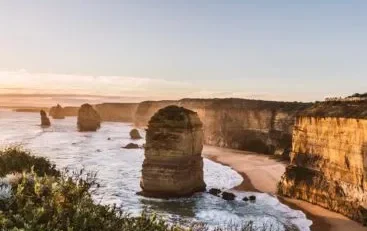
Eventually, the rainforest opens and the landscape changes dramatically. The cliffs become higher, the vegetation lower and the ocean wilder. This is the Shipwreck Coast, where the Southern Ocean has carved ancient limestone cliffs into caves, arches, gorges and isolated sea stacks.
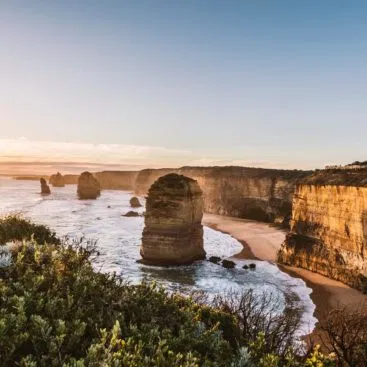
At the 12 Apostles viewing platforms, we look out over towering pillars rising from the water. The limestone formations were connected to the mainland millions of years ago. Wind and waves gradually created caves, then arches, before the roofs collapsed and left the stacks standing offshore.

Despite the name, there are currently fewer than twelve major stacks. The formations were once known as the Sow and Piglets before being renamed the Twelve Apostles in the 1920s, an evocative rebranding that helped turn this remote coastline into one of Australia’s most famous natural attractions.
Take your time here. Walk between the platforms, feel the wind coming off the Southern Ocean and watch the colour of the cliffs change as clouds pass overhead. Spring can deliver bright blue skies, moody squalls or both within the same hour.
Next Stop: Gibson Steps and the Ocean at Your Feet
If tide and ocean conditions are suitable, we continue to Gibson Steps, where a staircase descends towards the beach beneath towering limestone cliffs. From sea level, the scale of the coast becomes even more dramatic.
The beach is not accessible in every condition, so we always follow local safety instructions and check the weather, tide and surf. When access is open, the view is extraordinary: the cliffs rise around you while the Gog and Magog stacks stand offshore in the Southern Ocean.

This is one of the best places to appreciate how powerful the ocean has been in shaping the Shipwreck Coast. Please stay well clear of cliff edges and never turn your back on the surf. The coast is beautiful, but it is also exposed and unpredictable.
Loch Ard Gorge: The Shipwreck Coast Comes to Life
We then follow the signed paths at Loch Ard Gorge, one of the most atmospheric stops near the 12 Apostles. Here, towering cliffs frame the sea, and short walks lead to lookouts, beaches and sheltered rock formations.
The gorge is named after the Loch Ard, which was wrecked near Muttonbird Island in 1878. Of the passengers and crew aboard, only two young survivors, Tom Pearce and Eva Carmichael, made it safely to shore. Their story remains one of the most famous chapters in Victoria’s maritime history.

The wider Shipwreck Coast contains more than 200 recorded shipwrecks between Cape Otway and Port Fairy. The Historic Shipwreck Trail includes signposted sites and information plaques, giving you a deeper understanding of the reefs, currents and treacherous conditions that confronted ships travelling through Bass Strait.
For history enthusiasts, the 12 Apostles Visitor Information Centre in Port Campbell provides additional context, including information about the region’s maritime past.
Extend the Journey: 12 Apostles Whale Watching
A standard day trip from Melbourne is packed with highlights, but it is not the best format if whale watching is your main goal. For a stronger chance of seeing southern right whales, we recommend extending your journey west towards Warrnambool.
At Logans Beach, a dedicated viewing platform overlooks a known southern right whale nursery. Females traditionally visit the area to calve and nurse, sometimes coming relatively close to shore. September is within the strongest part of the season, while October and early November should be treated as a fortunate bonus rather than a guarantee.
This is the most practical way to combine whale watching Great Ocean Road experiences with the 12 Apostles:
A recommended 3-day spring route
- Day 1: Melbourne, Torquay, Memorial Arch, Lorne, Apollo Bay, Otways and the 12 Apostles
- Day 2: Gibson Steps, Loch Ard Gorge, The Grotto, London Bridge and Bay of Islands, then continue to Warrnambool
- Day 3: Logans Beach whale lookout, Port Fairy and return towards Melbourne via the inland route
Whale sightings are never guaranteed, even during the official season. We recommend checking current local updates and allowing enough time for more than one viewing opportunity.
Evening: Return to Melbourne or Stay by the Coast
A one-day 12 Apostles itinerary usually returns to Melbourne late in the evening. It is a long day, but a rewarding one for travellers with limited time.
Staying overnight around Port Campbell, Warrnambool or Port Fairy creates a more relaxed experience. You can enjoy sunset over the cliffs, explore additional Shipwreck Coast attractions and begin the next morning closer to Logans Beach.
If you are comparing this adventure with a Great Ocean Road winter tour, winter offers dramatic skies, quieter roads and a better chance of seeing the main southern right whale season around June to August. Spring, however, brings greener forests, longer daylight and more comfortable conditions for walking and sightseeing.
What to Pack for a Spring 12 Apostles Tour
The weather can change quickly along the coast, so we recommend packing for sunshine, wind and showers.
- Waterproof or windproof jacket
- Warm layers and comfortable walking shoes
- Sun protection, sunglasses and a hat
- Refillable water bottle
- Camera or phone with spare battery
- Snacks for the road
- Binoculars for wildlife and whale watching
- Small daypack
Wear shoes with good grip for paths, stairs and wet viewing areas. On a private tour, we can also discuss the walking distance, photography stops and activities that suit your group.
Choose Your Great Ocean Road Adventure
We offer flexible ways to experience Victoria’s iconic coast:
- 1-day Great Ocean Road and 12 Apostles tours
- 2-day and 3-day package tours
- Private charters for couples, families and groups
- Accommodation and meals on selected packages
- Local guides and carefully planned sightseeing stops
- Wildlife encounters and optional adventure activities
- Combination itineraries including the Grampians, Phillip Island, Yarra Valley and Melbourne
- Airport transfers and customised touring options on selected packages
For a more personal itinerary, explore our private Great Ocean Road tours or charter and group tour options.
From the first eucalyptus-lined bend to the final view of the limestone stacks, we take care of the logistics so you can focus on the experience. Contact Great Ocean Road Trip Melbourne to plan your spring escape, ask about whale-watching possibilities and choose the right number of days for your Victorian adventure.
Start planning your Great Ocean Road trip and let’s take you from Melbourne to the wild Shipwreck Coast.


Leave a Reply
You must be logged in to post a comment.