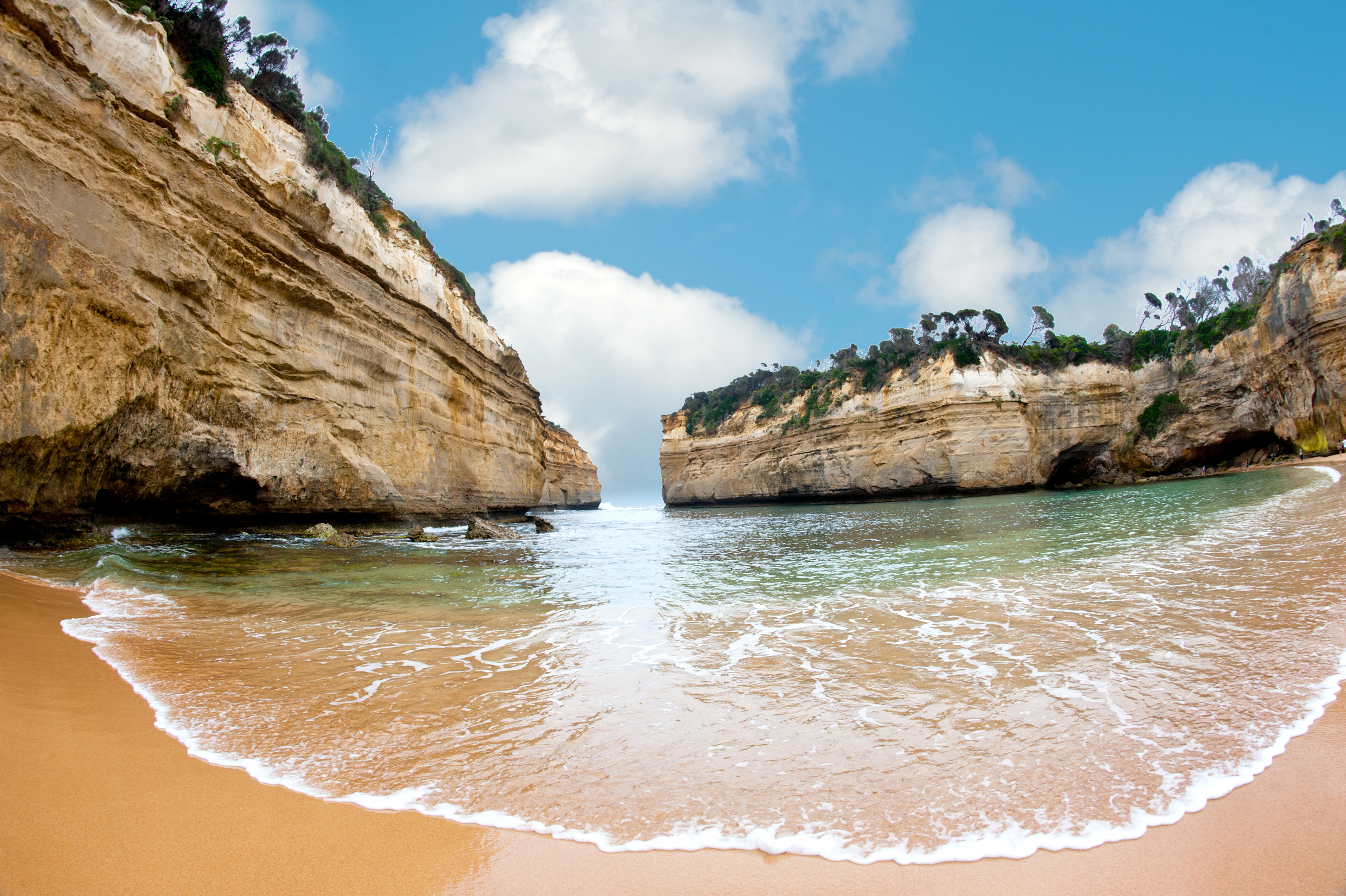
The Great Ocean Walk: A 4-Day Guided Trek from Apollo Bay to the 12 Apostles (and Why October Is the Time to Do It)
There is a difference between seeing the Great Ocean Road and truly experiencing it. From a coach window, you can admire the famous cliffs, photograph the 12 Apostles and continue along the highway. On the Great Ocean Walk, you slow down, step beyond the road and follow the coastline into places that ordinary sightseeing tours cannot reach.
Our guided four-day trek from Apollo Bay to the 12 Apostles is the walking version of a Melbourne to Great Ocean Road multi day tour: a spectacular journey through tall Otways forest, coastal heath, remote beaches, shipwreck history and rugged Southern Ocean cliffs.
And in October, the timing is exceptional.
Spring brings southern right whales still moving along the coast, flowering heathland, green rainforest and waterfalls that continue to flow after the wetter winter months. Daylight lasts long enough for ambitious walking stages, while the coast is generally less crowded than during the height of summer.
Walk overview
- Route: Apollo Bay to the 12 Apostles
- Distance: approximately 104 km in total
- Duration: 4 guided days
- Difficulty: challenging; suitable for fit and experienced walkers
- Best feature: access to remote coastline unreachable by coach tours
For current dates, inclusions and availability, see our Great Ocean Walk 4 Day guided departure.
Why October is the ideal month for the Great Ocean Walk
October sits at the meeting point between cool, wet conditions and the warmer touring season. The result is a wonderfully varied walking experience.
On open headlands, you may see southern right whales travelling offshore, sometimes with calves. Sightings are never guaranteed, but early October remains within the broader May-to-October migration period. Bring binoculars and give yourself time at the lookouts rather than rushing past.
The coastal heath is also beginning to flower. Small blooms appear between grasses, shrubs and windswept banks, adding colour to the trail without taking away from the dramatic ocean views. Inland, the Great Otway rainforest remains lush, with moss, ferns and waterfalls still flowing after winter rainfall.
October also offers long daylight hours without the full intensity of summer. That matters on a four-day itinerary, where we begin early, walk steadily and pause for photographs, stories and wildlife sightings.
Day 1: Apollo Bay to Blanket Bay, forest, coast and the first big views
We begin in Apollo Bay, the traditional gateway to the Great Ocean Walk. From the visitor centre, the track leads through coastal vegetation before turning inland into the towering forest of Great Otway National Park.
This first stage combines the Apollo Bay to Elliot Ridge and Elliot Ridge to Blanket Bay sections, covering approximately 22 kilometres. It is a demanding introduction, but it immediately shows why walking is the best way to understand this coastline.
You will pass beneath mountain ash and eucalypts, follow fern-lined gullies and gradually emerge towards the coast. October’s fresh growth makes the forest especially vibrant, while birdsong and filtered sunlight create a peaceful contrast to the exposed cliffs ahead.
By the time we reach Blanket Bay, the Southern Ocean feels close and powerful. Your guide will help you settle in, check the following day’s conditions and prepare for the next stage.

Day 2: Blanket Bay to Aire River, Cape Otway and lighthouse history
Day two covers approximately 21 kilometres, travelling from Blanket Bay through the Cape Otway area and onwards to Aire River.
One of the day’s highlights is Cape Otway Lightstation, a famous landmark on a coast once known as the “shipwreck coast”. Built in the nineteenth century, the lighthouse guided ships through the narrow entrance to Bass Strait and witnessed a maritime history shaped by storms, reefs and difficult navigation.
We also reach coastal sections such as Station Beach, where the landscape feels wonderfully remote. From the track, there are opportunities to look for koalas in the manna gum woodland, sea birds above the cliffs and whales offshore.
The trail then continues through sand dunes and heath towards the Aire River. In October, flowering coastal plants brighten the track, while the river and surrounding wetlands provide a quieter end to a long day.
Important: Cape Otway Lightstation entry and accommodation arrangements are separate from Parks Victoria camping bookings. We recommend arranging these early, particularly for October departures.
Day 3: Aire River to Ryan’s Den, Johanna, The Gables and Milanesia
Day three is one of the most spectacular and challenging stages, covering approximately 28 kilometres.
The landscape changes dramatically as we move towards Johanna Beach, where farmland, rolling hills and open coastal views replace the denser forest. Johanna is one of the walk’s most memorable locations, but it is also a place where tides, swell and river conditions matter. We check the latest advice and time any beach or river crossing carefully.
From Johanna, the route continues towards the dramatic cliffs of The Gables, one of the highest coastal cliff lines in mainland Australia. This is prime whale-watching country in October, with expansive views across the Southern Ocean.
The day then reaches Milanesia Beach, a secluded stretch beneath steep cliffs. The old fisherman’s hut and wild shoreline make this feel far removed from the busy Great Ocean Road.
This is the remote side of the walk: steep climbs, uneven surfaces and long stretches without road access. It is also where the effort feels most rewarding. You are not simply visiting a viewpoint; you are moving through an entire coastal landscape under your own power.
Day 4: Ryan’s Den to the 12 Apostles, wrecks, anchors and the final arrival
The final day covers approximately 29 kilometres, depending on the exact departure plan and access conditions. It is a long, memorable finish through the remote coastline around Moonlight Head and towards the 12 Apostles.
Along this section, we can experience places that a standard 12 Apostles tour from Melbourne cannot reach on foot, including Moonlight Head, the remote coastal cliffs and the historic Wreck Beach anchors. These rusted remnants are reminders of the many vessels lost along the Shipwreck Coast and are reached via steep steps and a beach approach that must be carefully timed with the tide.
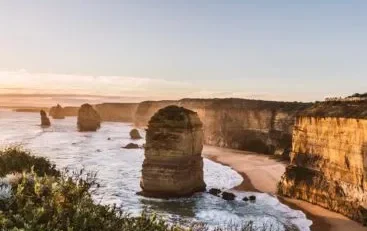
As we continue, the track passes through heath, dunes and clifftop viewpoints. The scenery becomes increasingly recognisable, but the experience remains intimate. Rather than arriving beside a crowded car park, you approach the famous limestone stacks after days of walking through forests, beaches and remote headlands.
Depending on the season, weather and group pace, we aim for a sunrise or sunset arrival at the 12 Apostles. The light changes quickly across the Southern Ocean, turning the limestone formations gold, grey, pink or deep blue.

Seeing the 12 Apostles without the crowds
The footpath approach gives you something a short roadside stop cannot: perspective.
You have already walked through the environments that shaped the Shipwreck Coast, so the 12 Apostles become the conclusion to a story rather than an isolated photo opportunity. Early starts and late finishes also help us avoid the busiest periods.
The new Keerray Woorroong / Twelve Apostles Visitor Centre is scheduled to open on 16 October 2026. During daylight saving time, the building is expected to operate from 8:00 am to 8:00 pm, while the car park is expected to open from 6:00 am to 9:00 pm. Arrival arrangements may require advance booking, so check the official visitor information before travelling.
For walkers, the best crowd-avoidance strategy remains simple: arrive early, arrive late, and approach on foot.
What is included on our guided departures?
Our guided departures are designed to remove the complicated parts of a multi-day trek so you can focus on the coast.
Depending on the selected departure format, inclusions can include:
- Melbourne pickup and return transfers
- Three nights of accommodation
- Guided walking with experienced local leaders
- Meals, trail snacks and refreshments
- On-ground transport and trailhead transfers
- Luggage transfer between accessible accommodation points
- National park and itinerary coordination
- Local history, wildlife and safety commentary
- A small-group touring experience
Because the full Great Ocean Walk includes remote hike-in sections, the exact overnight and luggage arrangements must be confirmed before booking. We always match the itinerary to current track conditions, tide information, accommodation availability and the group’s walking ability.
Practical advice before you book
A four-day Apollo Bay-to-12-Apostles traverse is a serious walk.
Fitness: You should be comfortable walking 20–30 kilometres on consecutive days, including steep stairs, sand, mud and uneven ground.
Pack weight: Keep your day pack light. Carry water, snacks, rainwear, sunscreen, first aid supplies, a headlamp and warm layers. Do not assume October weather will remain sunny.
Tides: Johanna Beach, river crossings and Wreck Beach require careful planning. Never ignore local tide and surf advice.
Water: Carry enough water for each stage and confirm reliable refill points with your guide. Water availability can change.
Leeches and ticks: The Otways are a damp forest environment. Wear long socks, use insect repellent and check clothing and skin at the end of each day.
Weather: Victoria’s coast can change quickly. Pack a waterproof jacket, insulating layer, sun protection and sturdy footwear.
Bookings: October is popular. Book accommodation, Cape Otway Lightstation access, campsites and any required walking permits or reservations as early as possible. Parks Victoria advises checking the latest closures and conditions before departure.
Extend the adventure beyond the coast
The walk works beautifully as the centrepiece of a broader Victorian itinerary.
Add a Yarra Valley wine tour before the trek for cellar doors, cool-climate wines and local produce. Alternatively, arrange a private charter tour Melbourne add-on for flexible airport transfers, extra Otways stops or a tailored coastal itinerary.
For a larger regional journey, combine the walk with a Great Ocean Road and Grampians tour package. Add Phillip Island for the famous Phillip Island penguin parade, and your walking holiday becomes a genuine multi city tour Victoria experience spanning coast, mountains, wine country and wildlife.
Great Ocean Walk FAQ
Is the Great Ocean Walk suitable for beginners?
The full four-day version is not a beginner’s walk. We recommend previous multi-day hiking experience and good fitness. A slower, extended itinerary may be better for first-time long-distance walkers.
Can I see whales in October?
Yes, southern right whales may still be migrating along the coast in October, particularly early in the month. Sightings are wildlife encounters, not guaranteed attractions.
Do I need to carry all my luggage?
You normally carry a day pack, while supported departures may transfer larger luggage between accessible accommodation points. Remote sections require careful packing, so we confirm the arrangements before departure.
Are the Wreck Beach anchors accessible every day?
Access depends on tides, surf, weather and current track conditions. Our guides make the final decision for safety.
Can I join this trek from Melbourne?
Yes. Our guided departures can include Melbourne pickup, return transfers, accommodation, meals and local guiding, making this the ultimate walking alternative to a conventional Melbourne-to-coast tour.
How early should I book for October?
As early as possible. October is a high-demand walking period, and Cape Otway access, accommodation and designated campsites can fill quickly.




Leave a Reply
You must be logged in to post a comment.